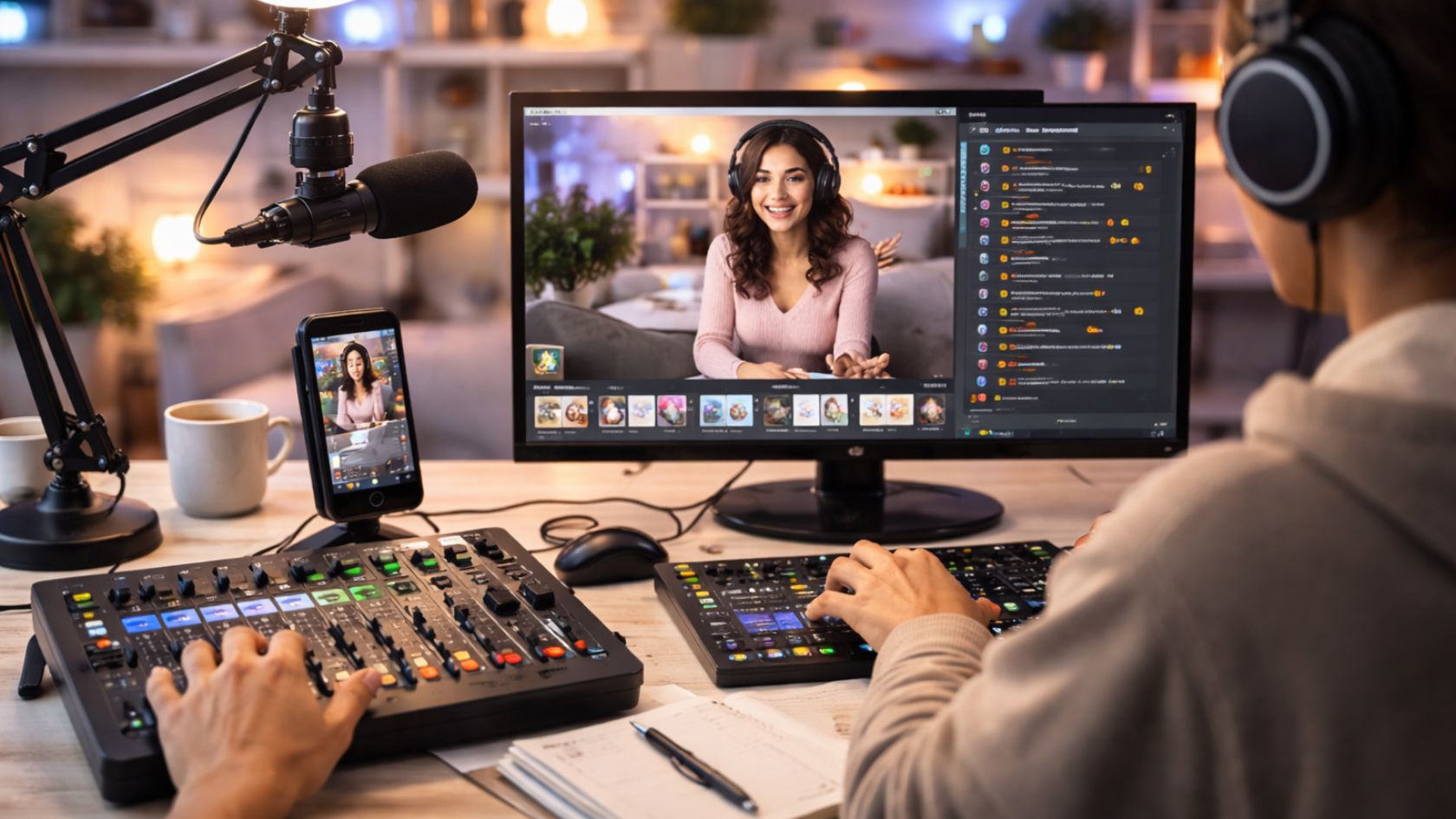
Creating Engaging Live Streams: A Complete Guide for Creators
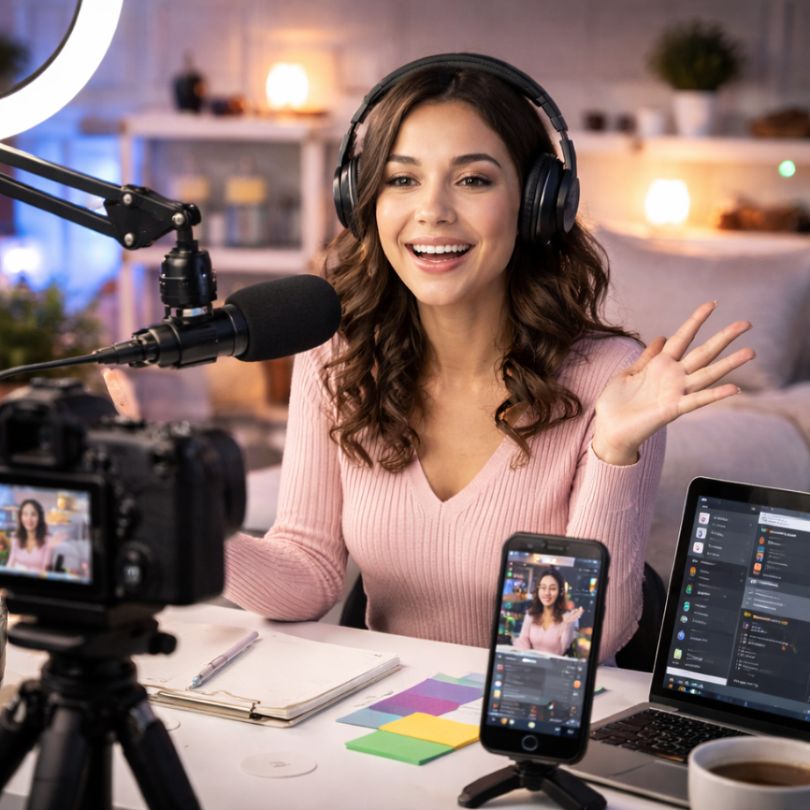
Engaging live streams are no longer just a nice-to-have; they are one of the most powerful ways to connect with an audience in real time. Whether you are a gamer, educator, coach, or brand marketer, live streaming lets people see the human side behind your content. The challenge is that viewers have endless options, so you need a clear strategy to capture attention quickly and keep people watching from the first second to the final sign-off.
To compete in a crowded digital landscape, you must treat your live show like a well-planned event rather than a casual broadcast. That means understanding your audience, planning an engaging run-of-show, and learning how to interact dynamically with chat. Studying proven tactics, such as those covered in this guide to engaging your audience with live streaming, will help you design streams that feel interactive, valuable, and worth returning to week after week.
Start With a Clear Purpose and Audience
Before you press the Go Live button, get specific about why you are streaming and who it is for. Are you trying to generate leads, sell a product, build a community, or simply entertain? A clear purpose shapes everything: your format, calls to action, platform choice, and even which metrics you track. Equally important is defining your ideal viewer. When you understand their age, interests, problems, and motivations, you can speak directly to them with topics and language that feel tailored rather than generic.
Think about the niche you operate in and where your audience already spends time online. For example, a food creator might blend recipe walk-throughs, kitchen Q&A segments, and quick tool reviews that tie into specialized resources such as this overview of top programs and tools in the food niche. When your stream content reflects the deeper ecosystem of your niche, viewers see you as a knowledgeable guide instead of just another random channel.
Plan an Engaging Format and Run-of-Show
Great live streams rarely happen by accident; they follow a thoughtful structure that balances predictability with spontaneity. Start by outlining a simple run-of-show that covers your opening hook, key content segments, interactive moments, and closing. Your hook should clearly state what viewers will gain if they stay, ideally within the first 10 to 20 seconds. From there, divide the session into segments, such as a short teaching block, a live demo, a Q&A round, and a community spotlight. This rhythm helps prevent lulls and gives people natural reasons to stay for what is coming next.
Recurrent segments also train your audience to develop viewing habits. For instance, you might host “Tool Tuesdays” where you review a new app, followed by “Fix My Setup” sessions where you audit a viewer’s workflow. Sharing a rough agenda at the beginning of the stream and occasionally reminding late joiners what is coming up can dramatically improve viewer retention. Even simple on-screen overlays or text banners that show the current topic make it easier for people to drop in midstream and instantly understand the context.
Optimize Your Technical Setup for a Smooth Experience
Viewers will quickly leave even the most insightful live stream if the audio is distorted, the video continually freezes, or the lighting makes it hard to see you or your content. Start by prioritizing audio: a decent USB or XLR microphone, placed close to your mouth and away from loud fans, will immediately upgrade your production value. Next, ensure you have stable internet with enough upload speed for your chosen resolution and frame rate. Whenever possible, use a wired Ethernet connection and run test streams to a private or unlisted channel before going public.
Visual clarity and branding also influence how professional and engaging your stream feels. Use soft, diffused lighting directed toward your face, and avoid strong backlighting that turns you into a silhouette. A clean background, consistent camera framing, and readable on-screen graphics will help new viewers immediately recognize what your stream is about. If you run mid-roll video or sponsored segments, research what kinds of promos fit naturally into your format so they feel helpful instead of disruptive.
Create Content That Invites Interaction
The biggest advantage of live streaming over pre-recorded video is the ability to interact with viewers in the moment. To make the most of this, design your content so that participation is built in rather than optional. Ask specific questions instead of vague prompts, such as “On a scale from 1 to 10, how comfortable are you with this concept?” or “Which platform are you streaming to today?” Use polls, quizzes, and quick challenges to encourage chat activity, and read usernames aloud when you respond so that people feel seen and appreciated.
Consider creating recurring interaction rituals that become part of your channel’s identity. You might start every show by greeting the first ten people in chat, spin a digital wheel for giveaways when the stream hits certain milestones, or invite viewers to submit ideas that you execute live. These small habits transform passive viewers into active participants. Over time, they also create memorable moments that your audience will clip, share, and discuss, which expands your reach beyond the live session itself.
Use Storytelling to Hold Attention
Stories are one of the most reliable ways to keep people engaged, even during educational or technical streams. Instead of presenting dry information, frame your main points as journeys, case studies, or before-and-after transformations. Share personal wins and failures related to your topic so viewers can see that you have walked the path they are on now. When teaching a skill, walk through a real example from problem to solution, explaining not just what you are doing, but why you are making certain choices along the way.
Good storytelling in live streams also includes pacing and tension. Use open loops by hinting at a payoff that will come later in the broadcast, such as revealing the exact script you used to land a sponsor or the template you rely on for planning shows. Then, layer mini-cliffhangers into each segment by posing a question or obstacle before you resolve it. This structure keeps curiosity high and gives viewers psychological reasons to stay through transitions, ad breaks, or technical hiccups.
Encourage Community and Repeat Viewership
Engaging live streams turn individual viewers into a community that wants to return regularly. Simple habits make a big difference: welcome newcomers by name, thank returning viewers for their ongoing support, and encourage people to say where they are watching from. Establish community guidelines so everyone understands what behavior is expected in chat, and enforce those rules consistently. If your platform allows it, appoint trusted moderators who can greet people, answer basic questions, and handle spam while you focus on delivering content.
To keep people coming back, give them reasons to see your stream as part of their weekly or even daily routine. Stream on a consistent schedule, announce upcoming topics in advance, and tease future collaborations or special events. Consider creating a free community space, such as a Discord server or Facebook Group, where conversations can continue between broadcasts. When viewers feel like they belong to something bigger than a single session, they are far more likely to share your channel with friends and colleagues.
Analyze Performance and Continuously Improve
Finally, the most engaging live streams are built through iteration, not perfection on day one. After each session, review your analytics: peak concurrent viewers, average watch time, chat messages per minute, and click-through rates on your calls to action. Look for patterns around which topics, thumbnails, titles, and formats perform best. Rewatch segments where engagement spiked or dropped, and take notes on what may have caused the change. This kind of honest debrief turns every broadcast into a learning opportunity.
Combine the data with direct feedback from your viewers. Ask them which parts of the stream they found most helpful, what they want more of, and where they felt confused or bored. Over time, you will develop a library of proven segments and techniques that you can remix into new shows. By respecting your audience’s time, staying curious, and making small improvements each week, you will steadily transform your broadcasts into truly engaging live streams that people look forward to attending.
Conclusion: Turning Strategy Into Engaging Live Streams
When you combine clear goals, thoughtful planning, solid production, interactive content, and consistent analysis, creating truly engaging live streams becomes a repeatable process rather than a guessing game. Treat each broadcast as a chance to serve your audience, experiment with new ideas, and refine what already works. As you grow, you can layer in smarter promotion, sponsorships, and even data-driven tools such as advanced instream ad research platforms to support your business model. Most importantly, stay present, listen actively, and keep showing up; the trust and loyalty you build live will spill over into every other part of your brand.
