
Mastering Email Marketing: Proven Strategies for Higher ROI
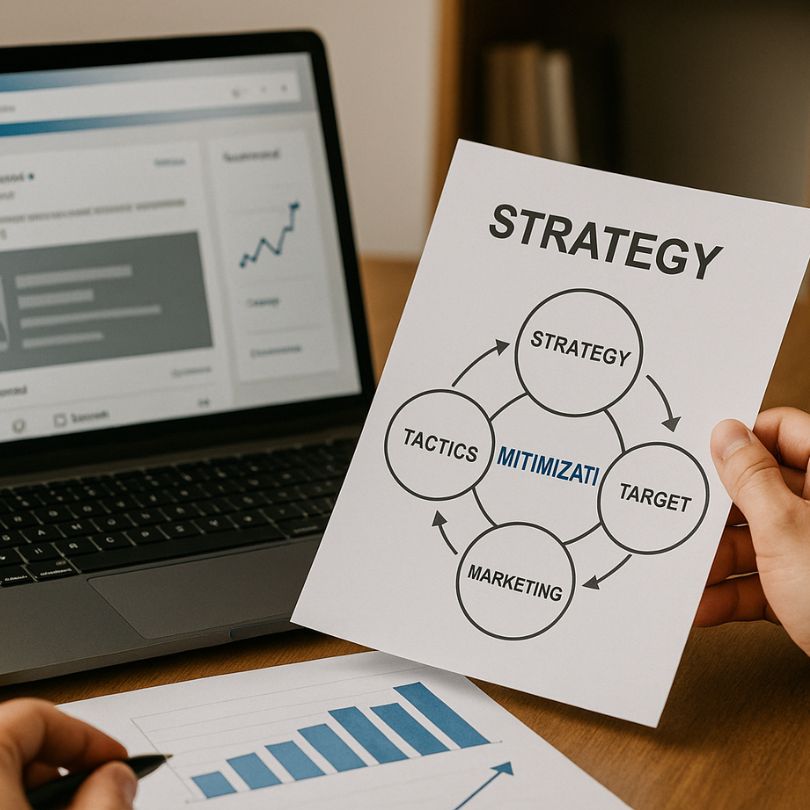
Mastering email marketing is one of the highest-ROI ways to build lasting relationships with your audience, nurture leads, and convert subscribers into loyal customers.
When you commit to mastering email marketing, you gain a direct, permission-based channel where you control the message, timing, and frequency—unlike social algorithms that can change overnight. With thoughtful strategy, segmentation, and consistent testing, you can send campaigns that feel genuinely helpful rather than spammy and align with modern next-generation email marketing strategies used by leading brands.
Why Mastering Email Marketing Still Matters
Despite the rise of social media and chat apps, email remains one of the most cost-effective channels for driving revenue. Studies consistently show that email can return multiples of every dollar invested, especially when campaigns are automated and personalized. Unlike paid ads, you are not renting attention—you are building an owned asset: your list. This long-term compounding effect is a key reason that serious marketers focus on mastering email marketing early.
Another reason email is so powerful is its flexibility. You can use email for announcements, product launches, educational content, event promotion, and retention. It also integrates well with other performance channels. For example, pairing targeted email campaigns with advanced LinkedIn advertising strategies allows you to surround prospects with consistent messaging across platforms, dramatically increasing brand recall and conversion rates.
Setting Up a Rock-Solid Email Marketing Foundation
1. Choose the Right Email Service Provider (ESP)
A reliable email service provider is the backbone of mastering email marketing. Look for an ESP that offers strong deliverability, intuitive automation workflows, robust segmentation, and detailed analytics. Popular platforms include options tailored to small businesses, e-commerce brands, and B2B companies. Consider whether you need features like visual builders, SMS integration, CRM sync, and native e-commerce tracking.
2. Set Clear Goals and KPIs
Before sending your first campaign, define what success looks like. Common email marketing goals include growing your list, increasing sales, improving customer retention, and educating your audience. Translate these goals into measurable KPIs such as open rate, click-through rate (CTR), conversion rate, and revenue per subscriber. Having clear KPIs keeps your experimentation focused and makes it easier to justify investment in mastering email marketing.
Growing a High-Quality Email List (Without Spam)
1. Create Irresistible Lead Magnets
The fastest way to grow a relevant list is to offer something truly valuable in exchange for an email address. Great lead magnets include cheat sheets, mini-courses, templates, calculators, and exclusive reports. The key is alignment: your lead magnet should solve a specific problem for your ideal customer and naturally lead into your core offering. When your lead magnet is tightly connected to your product, the quality of your list improves and your campaigns feel more like a service than a pitch.
2. Use Ethical, High-Converting Opt-In Forms
Place opt-in forms where they provide value rather than irritation—such as at the end of helpful blog posts, in your website header, or as exit-intent popups. Make your copy clear and benefit-driven: explain exactly what subscribers will receive and how often you will email them. Always get explicit consent and honor unsubscribe requests quickly. Mastering email marketing is impossible if your list is built on deceptive tactics or purchased contacts that never asked to hear from you.
Crafting Emails That Get Opened and Clicked
1. Write Compelling Subject Lines
Subject lines are the gatekeepers of your campaigns. Aim for clarity over cleverness: make it obvious what value is inside the email. Use curiosity, urgency, and specificity without resorting to clickbait. A/B test variations that emphasize different angles—benefits, pain points, social proof, or time sensitivity. As you continue mastering email marketing, you will develop an intuition for what resonates with your specific audience.
2. Personalize Beyond First Names
True personalization means tailoring content to subscriber behavior, preferences, and lifecycle stage. Use segmentation to send different messages to new subscribers, engaged readers, past customers, and dormant contacts. Trigger emails based on key actions such as downloading a resource, viewing a pricing page, or abandoning a cart. These behavior-based emails often outperform generic broadcasts because they speak to exactly where the subscriber is in their journey.
3. Structure for Readability
Most people skim their inbox. Use short paragraphs, descriptive subheadings, bullet points, and bold text to highlight key ideas. Make sure your calls-to-action (CTAs) are visually distinct and action-oriented (for example, “Download the guide” or “Reserve your spot”). Mobile-friendly design is non-negotiable; a large portion of your subscribers will read emails on their phones, so use responsive templates and adequately sized buttons.
Automation: The Secret Weapon in Mastering Email Marketing
1. Welcome Series That Sets Expectations
A well-designed welcome sequence is your chance to introduce your brand story, set expectations, and deliver quick wins. Over two to five emails, highlight your most valuable resources, explain how often you send messages, and invite subscribers to reply with their biggest challenge. This dialogue not only builds trust but also gives you qualitative data to refine your offers and content.
2. Nurture Sequences and Sales Funnels
Beyond the welcome series, create nurture sequences that educate subscribers around a core topic and gradually present your solution. For example, a sequence on “improving onboarding” could lead to a demo of your SaaS product. Map out the subscriber journey from awareness to purchase, then design emails that move people logically along that path. Done well, this approach allows you to generate revenue on autopilot while staying relevant and helpful.
Measuring Success: Key Email Marketing Metrics to Track
Analytics are central to mastering email marketing because they reveal what is actually working. Monitor open rates to gauge subject line performance and list quality, click-through rates to assess content relevance, and conversion rates to understand how effectively your emails drive action. Over time, track metrics like revenue per subscriber, list growth rate, and churn so you can forecast results and identify plateaus early.
Do not obsess over a single “perfect” benchmark—industry averages vary widely. Instead, focus on your own trends. If your open rates are steadily improving and unsubscribe rates are stable or declining, it is a strong sign that your efforts in mastering email marketing are paying off. Conversely, if engagement is dropping, treat it as a prompt to re-examine your targeting, frequency, and offer-market fit.
Common Email Marketing Mistakes to Avoid
Many teams undermine their results by sending inconsistent campaigns, ignoring segmentation, or copying competitors instead of understanding their own audience. Other common pitfalls include overly promotional messaging with little educational value, neglecting plain-text testing, and failing to clean inactive subscribers from their lists. Each of these issues can harm deliverability and erode trust over time.
To avoid these traps, commit to continuous learning and experimentation. Regularly survey your audience, review campaign performance, and test small changes rather than overhauling everything at once. This disciplined, data-driven approach is at the heart of truly mastering email marketing and building a channel that consistently supports your business goals.
Conclusion: Start Mastering Email Marketing Today
Mastering email marketing is not about a single hack or template; it is about building a repeatable system for attracting the right subscribers, delivering real value, and guiding them toward clear next steps. When you pair high-quality content with smart automation, clean data, and complementary tools such as native ad intelligence platforms, email becomes a powerful engine for predictable growth.
If you treat every campaign as a chance to learn—testing your assumptions, listening to feedback, and refining your message—you will steadily move closer to true mastery. Start with one improvement this week: clarify your next subject line, redesign a key sequence, or clean a segment of your list. Over time, these small, consistent upgrades compound into a world-class email program that your subscribers actually look forward to receiving.
