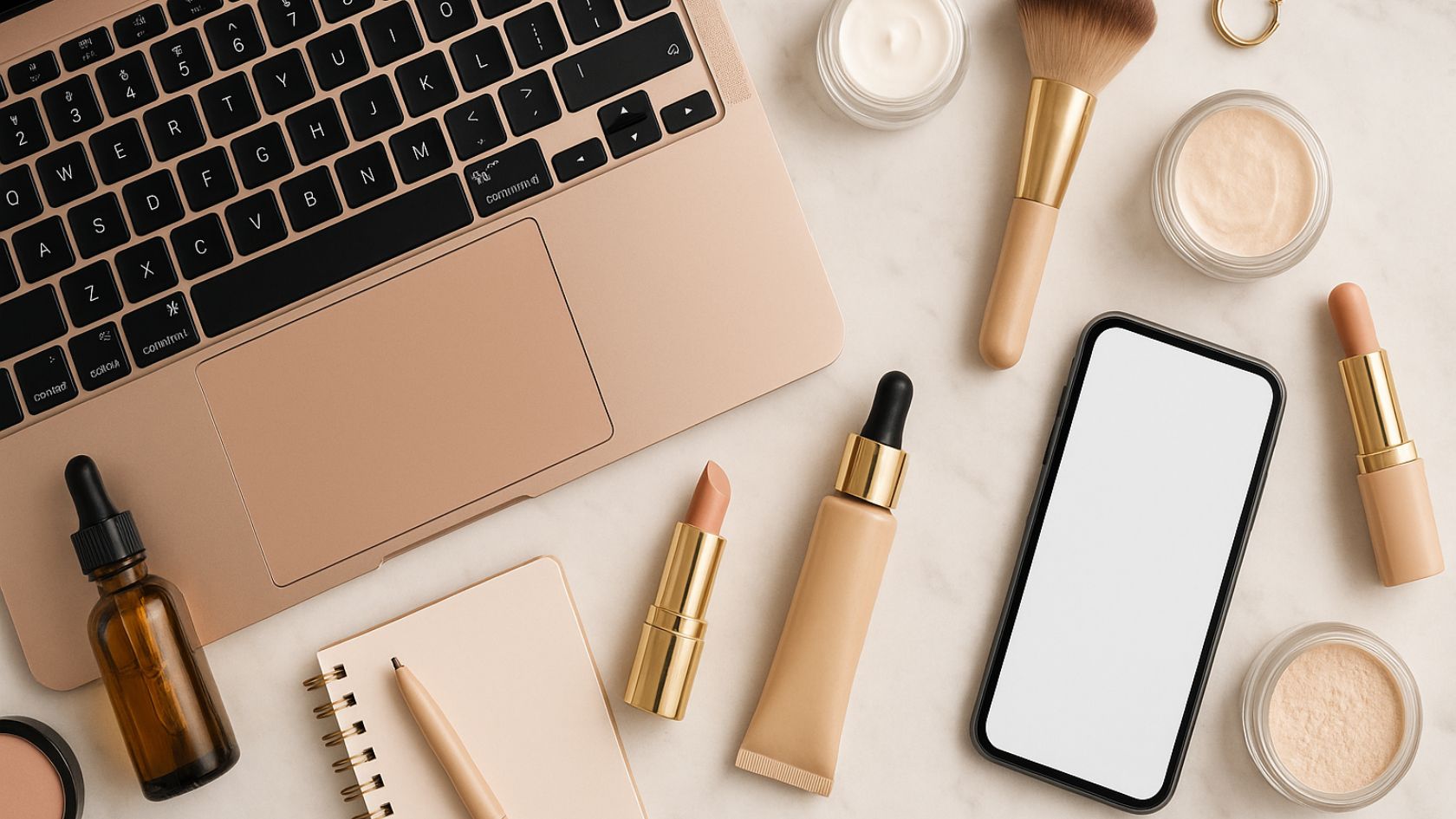
Top Beauty Affiliate Programs: The Best Payouts, Criteria, and Tips for 2025

Beauty affiliate programs remain one of the most reliable ways for creators, bloggers, and ecommerce founders to monetize trusted recommendations while delivering real value to their audiences. Whether you run a skincare review blog, a YouTube channel focused on haircare routines, or a TikTok page featuring makeup tutorials, choosing the right program can dramatically increase your earnings and build a defensible, long-term revenue stream.
Before you apply to any network or brand, it helps to understand how beauty affiliate ecosystems work: commission structures, cookie windows, eligibility requirements, and creative asset support vary widely from one program to the next. For a quick scan of popular options and their baseline terms, you can browse curated industry roundups such as this overview of top beauty affiliate programs, then compare those picks with your niche, content cadence, and audience intent. From there, you can shortlist partners that match your editorial style and conversion funnel.
Why the Right Beauty Program Matters
Affiliates often underestimate how much program fit affects performance. The right partnership aligns product promise, price point, and audience timing. For example, if your audience is primarily first-time skincare buyers, premium clinical brands with $150 serums may underperform compared with mid-range bundles or dermatologist-approved starter kits. Conversely, channels with affluent, routine-obsessed readers can excel with higher average order values and subscription-based refills.
Seasonality also plays a measurable role. Holidays, shopping events, and cultural moments can meaningfully lift click-throughs and conversions when you plan ahead. For inspiration on campaign planning, especially around seasonal spikes, see this resource on Halloween marketing campaigns—the principles (teasers, bundles, urgency, and thematic creatives) translate well to beauty promos across the calendar.
How to Evaluate Beauty Affiliate Programs (A Practical Checklist)
- Commission structure and tiers
- Baseline percent or flat fee per sale.
- Tiered bumps for thresholds (e.g., 50/100/250 monthly sales).
- Bonus triggers: new-customer bounties, subscription sign-ups, or LTV-based rewards.
- Cookie window and attribution logic
- Standard windows range 7–45 days; longer is usually better.
- Clarify last-click vs. multi-touch credit, and how coupon/loyalty sites affect your earnings.
- Product-market fit
- Match claims (clean, clinical, vegan, K-beauty, textured haircare) to your audience’s priorities.
- Look for replenishable items to build recurring revenue.
- Creative and support
- Access to UGC, swatch charts, ingredient explainers, before/after images, and landing pages.
- Responsive affiliate managers and early access to launches.
- Store experience
- Fast checkout, mobile UX, reviews, and transparent return policy—all impact conversion.
Top Categories and Representative Programs
1) Skincare (Cleansers, Serums, SPF)
Skincare buyers research heavily and respond well to ingredient-driven education. Content that pairs routine logic (cleanse → treat → moisturize → protect) with product picks can convert at above-average rates. When evaluating skincare partners, prioritize programs that offer bundles, mini kits, and dermatologist-backed claims.
- Commission: 8–20% typical, with subscription upsides.
- Best assets: before/after imagery, routine builders, and skin quiz funnels.
- Content ideas: “AM/PM routines by skin type,” “How to layer actives safely,” “SPF myth-busting.”
2) Makeup (Complexion, Eyes, Lips)
Makeup thrives on visual proof and shade accuracy. Swatches, application demos, and wear tests help reduce friction. Focus on launches, limited editions, and evergreen hero SKUs (mascara, neutral palettes) for consistent conversions.
- Commission: 6–15% with higher volume around drops and seasonal kits.
- Best assets: creator packs, AR try-ons, and shade match tools.
- Content ideas: “Beginner-friendly bridal looks,” “Office-to-evening routines,” “Dupes vs. luxury face-off.”
3) Haircare (Shampoos, Treatments, Tools)
Haircare is loyalty-driven. Audiences often stick with brands that solve specific concerns (e.g., breakage, frizz, scalp health). Tutorials and routine checklists perform well, especially when tied to hair type and lifestyle (curly-girl method, gym-friendly styling).
- Commission: 7–18% and strong AOVs for tools like dryers and straighteners.
- Best assets: before/after reels, heat-map comparison charts, stylist endorsements.
Step-by-Step: Launch Your Beauty Affiliate Engine
- Map your audience and content pillars
- Identify 3–5 pillars (e.g., “sensitive-skin routines,” “budget glam,” “pro-level hair repair”).
- Define the buyer’s journey for each pillar (awareness → consideration → decision → post-purchase).
- Shortlist programs and request access
- Pick 2–3 per pillar so you can A/B test offers and landing pages.
- Ask managers for custom codes, early samples, and unique UTM links.
- Build cornerstone content
- Create comprehensive guides (2,000+ words) and cluster them with supporting how-tos.
- Embed comparison tables, FAQs, and routine flows to raise time-on-page and conversions.
- Layer channels for amplification
- Repurpose long-form posts into short-form video, email drips, and Pinterest pins.
- Schedule seasonal refreshes around gifting, travel, prom, weddings, and back-to-school.
- Measure, optimize, and renegotiate
- Track EPC, conversion rate, AOV, and LTV of referred customers.
- When you prove volume and quality, negotiate tier bumps or exclusive rates.
SEO Best Practices for Beauty Affiliate Content
Tip: Balance reader trust with commercial intent. Your audience should feel informed first and sold to second. That balance fuels repeat visits and higher lifetime value.
- Use the focus keyword naturally in your title, intro sentence, and at least one H2.
- Include semantically related terms: “clean beauty,” “non-comedogenic,” “shade match,” “bond repair,” “dermatologist-tested.”
- Structure posts with scannable headings, numbered steps, and short paragraphs.
- Add comparison tables and FAQs to capture long-tail queries and Google rich results.
- Optimize images: descriptive filenames, alt text with context, and modern formats (WebP).
- Link internally to related guides (e.g., routines by skin type) and externally to credible sources and brand pages.
- Keep CTAs clear but minimal: one primary action per section tends to convert better than many.
Monetization Tactics That Compound Over Time
The most successful beauty affiliates treat their operation like a media business. That means prioritizing evergreen content, building an email list, and nurturing owned audiences that you can re-engage with fresh looks, routine updates, and seasonal gift guides. It also means diversifying offers across price points—so your readers always have an entry-level recommendation and an aspirational upgrade.
Pro Tips
- Bundle logic: Pair a top seller with an affordable companion (e.g., vitamin C serum + sunscreen) to increase AOV while delivering a complete routine.
- Content velocity: Publish one cornerstone guide per month and 4–8 supporting pieces. Update older posts with fresh images and 2025-relevant claims.
- Social proofs: Collect reader testimonials and UGC; feature diverse skin tones and hair types to boost credibility and conversion.
- Offer mapping: Maintain a spreadsheet of programs, commissions, cookie windows, and seasonal promos; audit it quarterly.
When and How to Expand Beyond Affiliate
Once your content and traffic mature, you can graduate from pure affiliate to hybrid monetization—adding sponsorships, paid tutorials, or even curated dropship catalogs that mirror your best-performing recommendations. This approach multiplies revenue streams without diluting trust, as long as your editorial standards remain transparent and audience-first.
Conclusion
Choosing the right beauty affiliate programs isn’t about chasing the highest headline commission—it’s about alignment, consistency, and authentic education that empowers your audience to buy with confidence. As you evaluate partners, prioritize strong product-market fit, durable cookie windows, and supportive managers who will collaborate on launches and exclusives. When you’re ready to scale with a broader offer mix, you can also explore complementary tools such as curated catalogs and research platforms; for instance, solutions built for market and creative intelligence like dropship product research can help you discover winning items to pair with your editorial calendar. Keep testing, keep iterating, and keep serving your readers first—the earnings will follow.
