
Creating Video Scripts: A Complete Guide to Plan, Write, and Polish Scripts That Convert
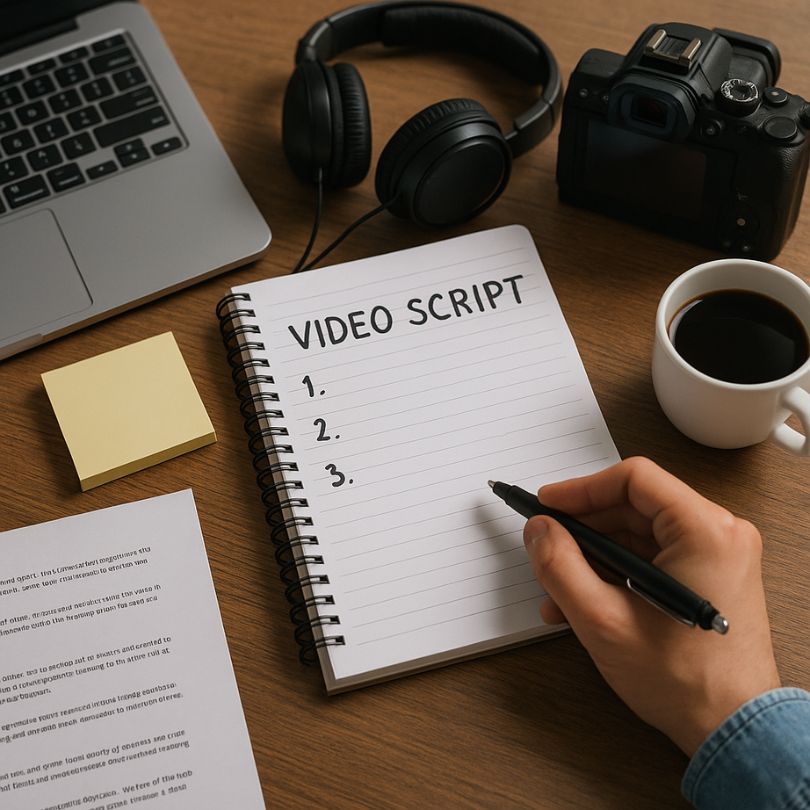
The foundation of impactful video production starts with creating video scripts that are clear, concise, and strategically aligned with audience intent. Whether you are writing a 30-second ad, a product walkthrough, or a long-form educational video, an effective script saves time in production, keeps your story tight, and boosts engagement metrics like retention and conversions.
If you are just getting started and want a step-by-step walkthrough, you can explore this excellent primer on how to write a professional script for different formats at this comprehensive guide. As you refine your mobile-first structure and delivery, remember that distribution platforms matter too—short-form, vertical content thrives with tight hooks and scannable beats. Optimizing for on-the-go viewers is crucial, and following mobile content best practices can dramatically improve completion rates and click-throughs.
Why a Strong Script Outperforms Ad-Libbed Narration
Improvisation can be authentic, but a well-constructed script brings clarity, pacing, and purpose. Scripts enable you to control the viewer journey—hook, problem, value, proof, call to action—so that every second has a job. This structure is even more important in performance-driven contexts where you’re measuring outcomes like signups, demo requests, or direct sales. With a script, you can A/B test messaging variants, swap sections, and consistently deliver messaging that maps to your funnel stage.
Moreover, a script serves as a shared artifact for teams. Producers, talent, designers, and compliance reviewers can align on language and timing. It also makes localization, closed captioning, and repurposing easier. When you invest in a reusable script framework, you’re building an asset, not a one-off.
The Essential Anatomy of High-Performing Video Scripts
A winning script doesn’t happen by accident. It’s engineered with a clear structure that helps viewers stay oriented and compels them to keep watching. Here’s a battle-tested outline you can adapt to most formats:
- Hook (first 3–5 seconds): Make the viewer care immediately. A bold claim, vivid outcome, or pattern interrupt works well. For ads, echo the audience’s pain or desired transformation right away.
- Context (5–15 seconds): Establish who you are and what problem you’re addressing. Keep it tight. A single sentence can be enough.
- Value Proposition: State the benefit. Not features—outcomes. Use concrete, specific language that shows how the viewer’s life or workflow improves.
- Proof: Show, don’t tell. Quick demo moments, social proof, numbers, or a mini case study add credibility.
- Core Content: Teach or demonstrate. Break the information into modules or beats so it’s skimmable even in audio-off environments.
- Objection Handling: Address common concerns with concise, reassuring lines. Keep these empathetic and factual.
- Call to Action (CTA): One clear action. Make it frictionless and time-bound where appropriate.
For brand films and narratives, you can adapt this to a three-act structure: set-up, confrontation, resolution. For educational content, think in chapters: what, why, how, pitfalls, recap. This lets viewers orient themselves and improves watch time because people like to know where they are in the journey.
Audience Research: The Silent Multiplier
Before drafting your first line, gather inputs: top customer questions, sales call transcripts, support tickets, search queries, and community posts. Map these to the buyer journey—awareness, consideration, decision—so your script meets the viewer where they are. The words your audience uses become your raw materials for sticky hooks and relatable lines.
Here’s a simple research checklist you can run in an afternoon:
- Scan competitor videos and note what you’d do differently—pacing, hooks, claims, visuals.
- Interview two customers about what nearly stopped them from buying—and what pushed them over the line.
- Read the last 50 support emails and summarize the top three confusing points to preempt in your script.
- List the top five phrases your audience uses to describe their desired outcome—these become headline candidates.
Writing Techniques That Keep Viewers Watching
Great scripts sound like they’re spoken by a trusted guide, not a corporate brochure. Aim for simple words, short sentences, and conversational rhythm. Read lines aloud to catch awkward phrasing and pacing issues. And default to active voice—it’s tighter and more engaging.
As performance marketers scale campaigns, testing formats and placements becomes critical. If you plan to run in-stream placements or analyze competitive messaging in your niche, tools dedicated to placement intelligence can be useful. For example, many teams explore in-stream ad research platforms to see which hooks and CTAs resonate across channels and geos.
High-Impact Copy Patterns
- Problem → Agitation → Solution: Name the pain, amplify it, then present a crisp fix.
- Before / After / Bridge: Paint the current state, show the transformed future, then explain the bridge (your offer or idea).
- Listicle Beats: Use numbered promises (3 ways to…, 5 mistakes…). Each beat should carry its own micro-hook.
- Curiosity Gaps: Tease a result, then reveal the how. Avoid clickbait—deliver real value.
Timing, Pacing, and Readability
As a rule of thumb, most voiceovers clock at 125–150 words per minute. If you’re planning a 60-second spot, aim for 130 words in your first draft, then trim aggressively. Use line breaks to indicate natural pauses and beat changes. On-screen text should be sparse and legible on a phone. When possible, pair each sentence with a visual cue so the editor can cut to action rather than static talking heads.
Visual Direction and B-Roll Notes
Scripts aren’t just words—they’re blueprints for what appears on screen. Add bracketed direction to clarify intent: [on-screen dashboard], [close-up of hands], [customer testimonial], [overlay metric: “Saved 12 hours/week”]. This saves time in editing and ensures your script translates to compelling footage. Consider color palettes, motion speed, and scene transitions as part of your brand language.
Example Script Template (Fill-in-the-Blanks)
Use this lightweight template to jumpstart your next draft. Tweak tone to match your brand voice.
